
Where local borrowers actually find you
When someone searches “mortgage broker near me,” the first thing they usually see is not your homepage. It is the map pack, the short list of Google Business Profiles with stars, hours, and a photo. A lot of brokers set that profile up once, years ago, and have not touched it since. Meanwhile it is quietly doing more first-impression work than the website they paid real money for.
This is not a pitch to chase rankings. It is a short list of things that make the profile you already have send better borrowers to the pages you already built.
Pick the right primary category
Google lets you choose one primary category and a few secondary ones. “Mortgage broker” and “Mortgage lender” are separate options, and they are not interchangeable. Choose the one that matches how you actually do business, then add the other as a secondary only if it is accurate. A wrong primary category is one of the most common reasons a profile shows up for the wrong searches or not at all.
Fill in the parts most brokers skip
- Services. List the loan types you really close: purchase, refinance, FHA, VA, first-time buyer programs, and so on. Plain words, the way borrowers search for them.
- Service area. If you work from an office that does not take walk-ins, set a service area instead of showing a street address. Google’s own guidelines treat these two setups differently.
- Hours. Match the hours someone will actually answer. A profile that says “open” while the phone rolls to voicemail costs you trust fast.
- Licensing. Put your NMLS number in the description so a borrower comparing two brokers can verify you without leaving the page.
Point the website link at the right page
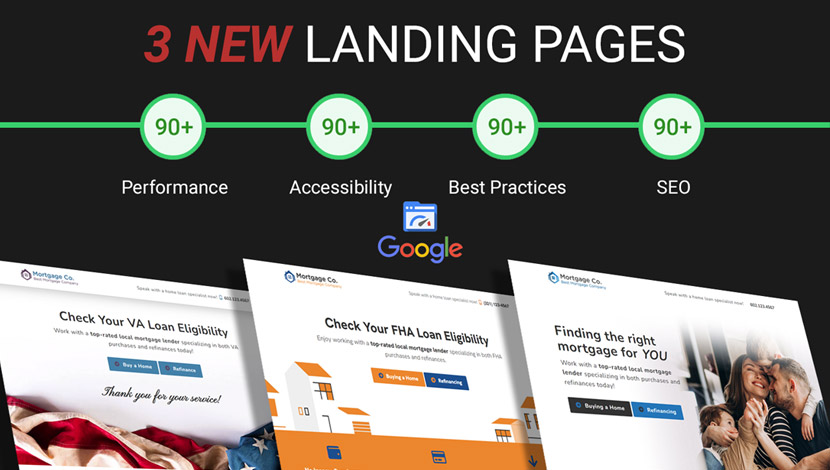
The website button on your profile is a paid-quality click you are getting for free. Do not waste it on a generic homepage that makes a local borrower hunt for what to do next. Send it to a page built for that market, with clear loan options, current information, and one obvious next step. If your mortgage websites have a local or loan-type page that converts, that is the better destination. You can also add simple tracking parameters to that link so you can tell profile traffic apart from organic search in your analytics.
Keep it alive with small, regular updates
A profile that looks abandoned reads like a business that might be abandoned. You do not need a content calendar. A few habits are enough:
- Post a short update a couple of times a month, such as a program change, a closed purchase story told without client details, or a local market note.
- Add real photos of you, your team, and your office. Skip the stock house with the sold sign.
- Answer questions in the Q and A section before strangers answer them for you.
- Reply to every review, good or bad, in a calm and specific way. Never confirm loan details or private information in a public reply.
Watch what it is actually sending you
The profile’s performance view shows searches, calls, website clicks, and direction requests. Check it monthly next to your lead source data. If profile calls are climbing but nobody logs them, the problem is not visibility, it is intake. Every call and click that comes from the profile should land in your mortgage CRM with the source attached, so the follow-up starts the same day and you can see which local searches turn into applications.
A 30-minute checklist
Confirm the primary category. Fill in services and service area. Fix the hours. Add your NMLS number. Point the website link at a focused local page. Upload three current photos. Reply to any unanswered reviews. Then put a recurring reminder on your calendar so the profile does not go stale again.
None of this replaces a good website or real follow-up. It just makes sure the first thing a local borrower sees is accurate, current, and pointing somewhere useful.